


Last Updated: October 25, 2026
Quick Summary
Custom logo embroidery is one of the most effective ways to build a cohesive brand identity across your workforce. When your team wears branded apparel with professionally embroidered logos, you create a visual representation of your company that customers see every day, reinforcing brand recognition far more effectively than any single marketing campaign.
- Standard custom logo embroidery orders typically take 5-7 working days from file approval to delivery.
- Embroidery files require specialised formats like .pes, .dst, .exp, and .jef that contain stitch information and thread colour data.
- Heavier fabrics like 240gsm provide excellent stability for embroidery and help logos maintain shape through washing and wear.
- Wash embroidered garments in cool water, turn inside out, and air-dry to protect logos and extend garment lifespan.
- Always request a sample or proof before committing to full production to catch file issues early.
Table of Contents
- Why Custom Logo Embroidery Matters for Business Identity
- Logo Embroidery File Format: Getting Your Design Ready
- Embroidery Digitising: Converting Your Logo Into Stitches
- Custom Logo Embroidery Turnaround Time: What to Expect
- Choosing the Right Garments for Embroidered Logos
- Embroidered Workwear Care Instructions: Protecting Your Investment
- Getting Started With Your Custom Logo Embroidery Order
- Frequently Asked Questions
Why Custom Logo Embroidery Matters for Business Identity
Custom logo embroidery is one of the most effective ways to build a cohesive brand identity across your workforce. When your team wears branded apparel with professionally embroidered logos, you're creating a visual representation of your company that customers see every single day. This consistency reinforces brand recognition far more effectively than any single marketing campaign.
The real advantage of custom logo embroidery for business goes beyond aesthetics. It signals professionalism, builds team pride, and creates an immediate visual connection between your staff and your brand. Employees wearing branded workwear become walking advertisements. More importantly, they feel part of something bigger than themselves.
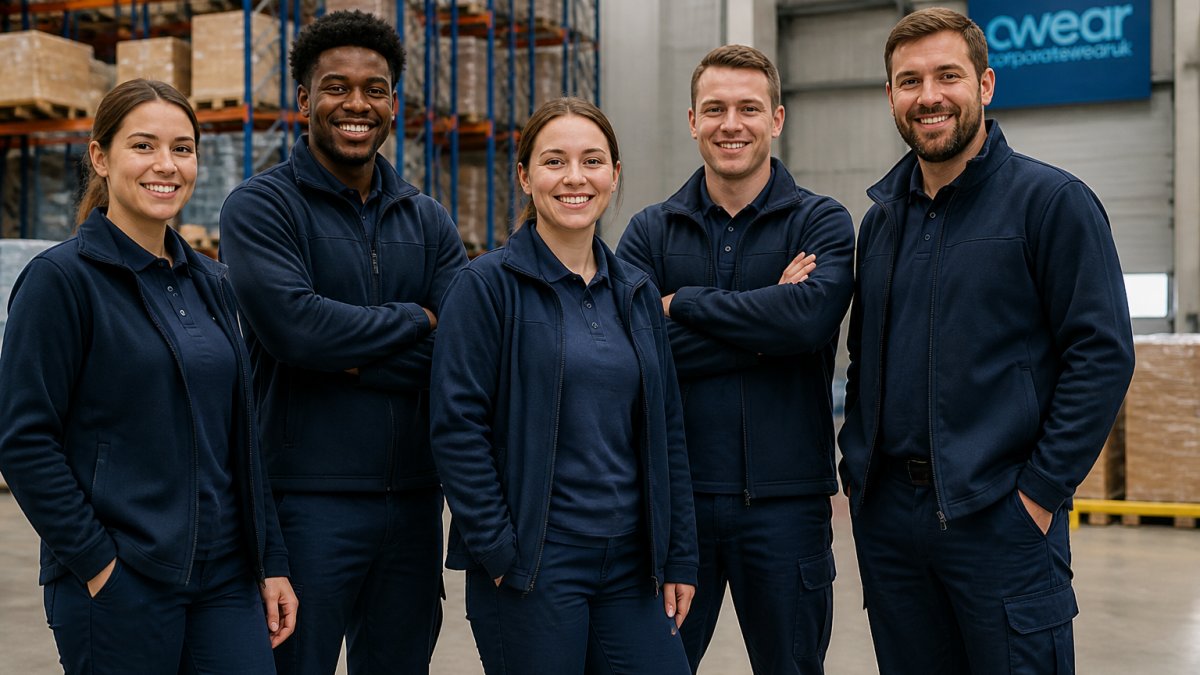
At Corporatewear UK, we've worked with businesses across construction, hospitality, logistics, and retail to understand what actually drives brand recognition through workwear. The difference between a business that invests in quality embroidered uniforms and one that doesn't is stark. One team looks coordinated and professional. The other looks like they grabbed whatever was available that morning.
Here's what most guides miss: consistency across multiple orders is where many suppliers fall short. Your first batch looks perfect. The second batch, six months later, has slightly different thread colours or stitch density. Your third order looks different again. This erosion of quality destroys the very brand consistency you were trying to build. That's why we prioritise maintaining identical embroidery standards across every single batch, no matter the order size or timing.
Logo Embroidery File Format: Getting Your Design Ready
Your embroidery file format makes or breaks the final result. The most common mistake businesses make is sending a standard image file, a JPG or PNG, and expecting it to work perfectly on fabric. It won't. Embroidery machines need specialised file formats that contain stitch information, thread colour data, and density instructions.
The industry standard embroidery formats include .pes.dst.exp, and .jef. These formats tell the machine exactly how many stitches to use, where to place them, and what colour thread to apply.
Before you submit your design, ask yourself: Is my logo file optimised for embroidery? Most businesses discover they need file conversion or digitising only after they've already ordered. That's when delays happen and frustration sets in.
We recommend working with your embroidery supplier to confirm the correct file format before you commit to production. At Corporatewear UK, we handle file conversion as part of our service, but providing the right format from the start speeds everything up. If you're preparing your own files, ensure your logo is clean and high-resolution.
For your first order with any supplier, always request a sample or proof before committing to full production. This catches file issues early and ensures your final embroidery matches your expectations. Consistent Logo Embroidery Quality: A How-To Guide covers this process in detail.
Embroidery Digitising: Converting Your Logo Into Stitches
Embroidery digitising is the technical process of converting your logo artwork into a stitch pattern that an embroidery machine can read and execute. This is where design meets engineering. A skilled digitiser takes your logo and creates a digital file that specifies stitch type, direction, density, and thread colour for every section of the design.
The quality of your digitising directly determines the quality of your final embroidered logo. A poorly digitised file produces logos that look rough, with uneven stitches or distorted proportions. A well-digitised file produces clean, professional results that match your original design intent.
Not all logos digitise equally. A simple two-colour logo with clear lines digitises quickly and cleanly. A complex logo with gradients, thin lines, or intricate details requires more skilled digitising work and often needs simplification to translate well onto fabric. This is the conversation you should have with your embroidery supplier before you place your order.
Expect to pay a one-time digitising fee, typically a setup cost, that covers the creation of your embroidery file. At Corporatewear UK, we charge a one-time fee for digitising your custom logo, which then becomes your master file for all future orders.
Once your file is digitised and approved, subsequent orders use the same file. You won't pay digitising costs again unless you want to modify your logo. This is why getting it right the first time matters.
Custom Logo Embroidery Turnaround Time: What to Expect
Custom logo embroidery turnaround time varies based on order size, complexity, and current demand. Most businesses need to understand the realistic timeline before they commit to an order, especially if they're working toward a specific deadline.
A standard custom logo embroidery order typically takes 5-7 working days from file approval to delivery. This timeline assumes your design file is ready, digitised, and approved before production begins.
The biggest variable is order size. A rush order is possible, but expect to pay a premium and have limited availability.
Here's what most businesses don't realise: delays usually happen before production starts, not during it. Your file isn't ready. You're still deciding on thread colours. You haven't approved the sample. Once production begins, the timeline is usually predictable. The lesson is simple: get your approvals locked in early.
At Corporatewear UK, we guarantee a 5-7 day turnaround on standard orders. We handle same-day artwork approval to keep things moving. If you're working toward a specific event or deadline, tell us upfront. We'll give you an honest assessment of whether we can meet it or what options exist to accelerate delivery.
Understanding the timeline for your embroidery order helps you plan ahead and avoid delays.
| Stage | Timeline | Key Point |
|---|---|---|
| Standard custom order | 5-7 working days | From file approval to delivery |
| Rush order | Varies | Premium cost, limited availability |
| Pre-production delays | Variable | Most delays occur before production starts |
| Same-day artwork approval | Same day | Keeps timeline moving forward |
Choosing the Right Garments for Embroidered Logos
Not all garments are equally suitable for embroidery. The fabric weight, weave, and construction all affect how well your logo embroidery will look and wear. Choosing the right garment is as important as choosing the right embroidery supplier.
Heavier fabrics, like the 240gsm outer on the FORT HARRIS JACKET, provide excellent stability for embroidery. The stitches have something solid to anchor into, and the logo maintains its shape through washing and wear. Lightweight fabrics can work, but they require more careful digitising to avoid puckering or distortion.
Structured garments hold embroidery better than loose, flowing fabrics. A polo shirt with a defined chest panel is ideal for a logo. A soft, unstructured t-shirt presents challenges because the fabric moves and stretches. The embroidery can pucker or shift if the garment isn't designed to accommodate stitching.
Consider placement carefully. A logo on the back of a jacket requires more thread and stitch count, which increases cost and complexity.
For workwear specifically, durability matters. The TUFFSTUFF ELITE POLO SHIRT is designed for easy care with moisture-wicking fabric and excellent colour retention. When you embroider a logo onto a garment that's built to last, you're creating a lasting brand asset. The embroidery will outlast cheaper alternatives because the underlying fabric is engineered for durability.
If you're ordering for a warehouse or logistics environment, choose garments with reinforced seams and hardwearing outer materials. The embroidery will be subjected to industrial washing, sweat, and physical wear. A quality garment paired with quality embroidery ensures your brand investment holds up.
Embroidered Workwear Care Instructions: Protecting Your Investment
Your embroidered workwear is an investment in your brand. Proper care ensures your logos stay vibrant and your garments last for years. Many businesses damage their embroidered uniforms through incorrect washing or drying.
The fundamental rule is simple: treat embroidered garments gently. Wash in cool water, use a mild detergent, and avoid bleach. Turn garments inside out before washing to protect the embroidery from direct agitation. This simple step dramatically extends the life of both the fabric and the stitching.
Drying is where most damage happens. High heat weakens thread and can cause shrinkage. Air-dry whenever possible. If you must use a dryer, use a low-heat setting. Many industrial laundries run tumble dryers at high temperatures to speed up turnaround. If your staff uniforms go through commercial laundry, specify low-heat drying to your laundry provider.
If you do use a dry cleaner, inform them that the garments are embroidered and ask them to use gentle methods.
Iron embroidered garments on the reverse side only. Never iron directly over embroidery. The heat and pressure can flatten stitches and damage the thread. If you need to remove wrinkles from the embroidered area, use a low-heat setting and place a cloth between the iron and the embroidery.
Storage matters too. Store embroidered workwear in a cool, dry place away from direct sunlight. Prolonged sun exposure fades thread colours. Moisture encourages mildew and thread degradation. Proper storage extends the life of your branded uniforms significantly.
Getting Started With Your Custom Logo Embroidery Order
Starting your custom logo embroidery order is straightforward, but a few preparation steps make the process smoother and faster.
First, gather your logo file. If you have a vector file, that's ideal. If you only have a JPG or PNG, that's fine too, we can work with it. Make sure your logo is high-resolution and clearly defined.
Second, decide on your garments. Browse our range of workwear options and select styles that suit your business and team. Consider durability, fit, and how the embroidery will look on each piece.
Third, confirm your embroidery placement and size. Where on the garment do you want your logo? How large should it be? These decisions affect both the look and the cost. A small chest logo is different from a large back logo.
Fourth, get a quote and timeline. We'll confirm our 5-7 day turnaround and provide transparent pricing with no hidden fees. You'll know the total cost upfront.
Fifth, approve your artwork. Once we've digitised your logo and created a sample, you'll review it and give final approval before we move to production. This is your chance to catch any issues and make adjustments.
Then we produce your order and deliver across the UK. Start your custom logo embroidery order when you're ready to move forward.
Building a professional brand identity through custom logo embroidery requires choosing a partner who understands both the technical and business side of the process. Your embroidery needs to stay consistent across multiple orders, your timelines need to be reliable, and your investment needs to hold up through regular wear and washing.
Frequently Asked Questions
What file format is needed for custom logo embroidery?
Your logo should be provided as a vector file or a high-resolution image. Our embroidery digitising process converts your logo into a stitch file that embroidery machines can read. If you're unsure about your file, our team can advise on the best format during the artwork approval stage, which typically happens the same day.
How long does custom logo embroidery take?
We offer a 5-7 day turnaround for custom logo embroidery orders, with same-day artwork approval to keep your project on schedule. This timeframe covers design digitising, production, and quality checks. Rush orders may be available depending on complexity and current capacity. Contact us for specific deadlines if your event or uniform rollout has tight timing requirements.
How do I care for embroidered workwear to keep logos looking sharp?
Wash embroidered garments inside-out in cool water to protect stitching. Use a gentle cycle and avoid bleach or harsh detergents. Air-dry when possible; if tumble-drying, use a low heat setting. Avoid ironing directly over embroidery; instead, iron the reverse side or use a pressing cloth. Proper care preserves stitch definition and colour retention.
Can any logo design be embroidered onto workwear?
Most logos can be embroidered. Our embroidery digitising team will review your design and suggest modifications if needed to create a logo that looks professional on fabric.


